




Have you ever wondered what processes cotton fibres undergo before becoming your favourite T-shirt? Here’s a brief summary of the processes that produce two types of cotton that are very common in the promotional clothing industry: carded cotton and combed cotton.
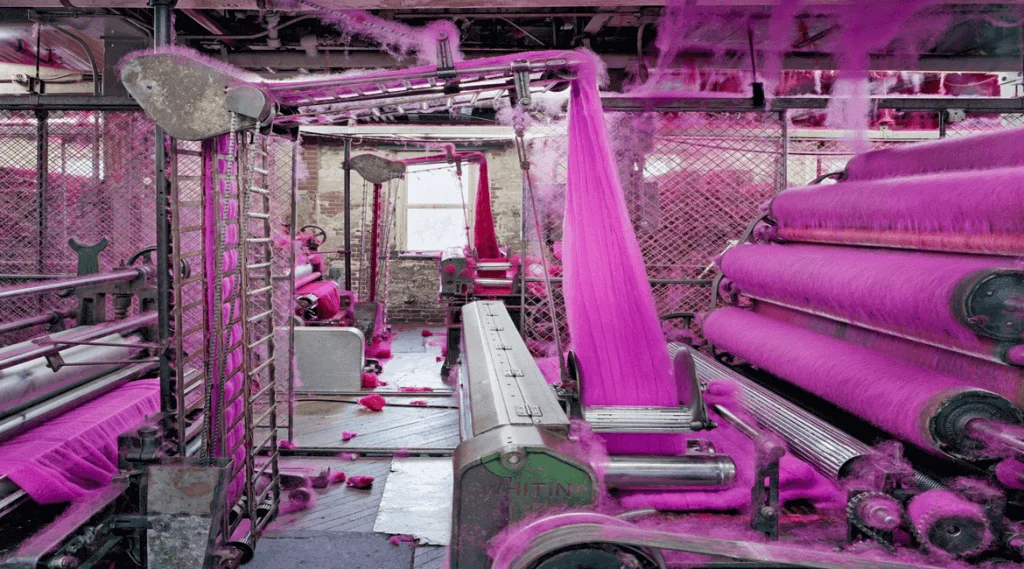
Carded cotton is produced by carding, a process that removes some impurities and disentangles and aligns the fibres to prepare them for spinning. The carding machine works the fibres with metal-toothed components, forming a web that is gathered into a card sliver.
Carded cotton is also used to produce promotional clothing. After carding, cotton can undergo combing, a further process that produces combed cotton. Combing produces a yarn that is generally more uniform and softer to the touch, used for garments such as t-shirts and spring and summer sweatshirts. Combing further aligns the fibres and removes some of the shorter ones and impurities. It can reduce the tendency to pill, without eliminating it entirely: the construction of the yarn and fabric also affects the result. During spinning, twisting gives cohesion to the fibres. Plying, the process used to produce so-called “plied combed cotton“, involves twisting two or more yarns together and can increase the strength of the yarn.
Still curious? Check out our selection of combed cotton T-shirts!