



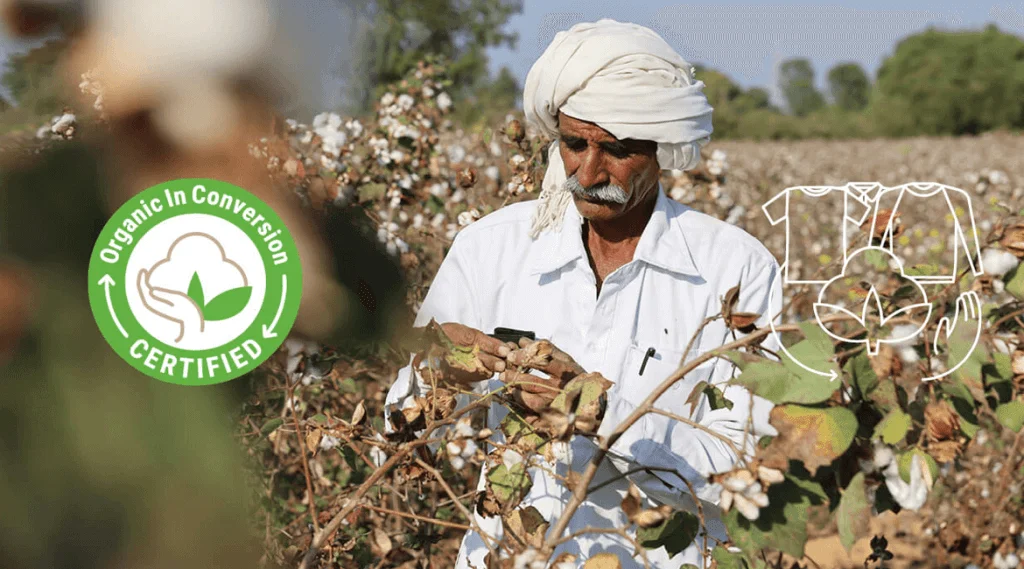
In-conversion organic cotton is a middle ground between conventional and organic cotton. Essentially, it's a type of cotton grown without the use of pesticides and chemical fertilizers, but it hasn't yet achieved organic certification. This is because the conversion process takes several years and requires meeting specific standards.
Advantages of in-conversion organic cotton
In-conversion organic cotton offers numerous environmental, economic, and social benefits. First and foremost, its cultivation reduces the environmental impact caused by the use of pesticides and chemical fertilizers, which contaminate water and soil. Furthermore, growing in-conversion organic cotton reduces the amount of CO2 released into the environment, as it does not require the use of heavy machinery to till the soil.
Growing organic cotton in conversion also offers significant health benefits for farmers and consumers. The use of pesticides and chemical fertilizers is associated with health problems such as respiratory diseases and birth defects.
If you want to learn more about organic cotton , Stanley Stella recommends this article: The Sustainability of Personalized Printing
Organic cotton conversion process
The organic cotton conversion process involves a series of phases that last an average of 3 to 5 years. During this period, farmers must adopt sustainable agricultural practices, such as crop rotation and the use of organic fertilizers. Furthermore, the fields where organic cotton is grown in conversion must be periodically inspected by certified organizations to verify compliance with standards.
Difficulties and challenges of conversion
Converting to organic cotton represents a significant challenge for farmers, who often face difficulties related to a lack of technical knowledge and financial resources. Furthermore, the production cost of in-conversion organic cotton is often higher than that of conventional cotton, due to the need to adopt sustainable agricultural practices and undergo audits by certified organizations.
Organic Cotton Certifications and Standards
There are numerous organizations that issue certifications for in-conversion organic cotton . Among the main ones are the Global Organic Textile Standard (GOTS) and the Organic Content Standard (OCS). These certifications guarantee that the cotton has been grown according to specific standards and is free of chemicals that are harmful to human health and the environment.
B&C and its products in conversion
B&C is a brand that has made sustainability a priority. The B&C Inspire product range is made using in-conversion cotton. By choosing this type of cotton, B&C reduces the environmental impact of its garment production while still ensuring high standards of quality and comfort.